

Our History
For decades, Latino Public Media has championed Latino stories, shaped the cultural landscape, and inspired generations.
1998
Our Beginning
Latino Public Media (LPM), formerly known as Latino Public Broadcasting, was created in 1998 with funding from the Corporation for Public Broadcasting to increase the representation of diverse Latino content on public media. Based in Los Angeles and founded by actor Edward James Olmos and Marlene Dermer, the nonprofit organization championed the work of independent filmmakers nationwide who were passionate about telling Latino stories. LPM was built on a conviction that continues today: Latino arts, culture and history are an essential part of American history.
LPM became an integral member of the National Minority Consortia (NMC), five independent organizations supported by the Corporation for Public Broadcasting to ensure public media reflected the stories of minorities and underrepresented communities. Together serving Black, Asian American, Native American, Pacific Islander and Latino American communities, the NMC supported filmmakers, brought underrepresented stories to national audiences and advocated for greater inclusion throughout public media system.

2006
VOCES
In 2006, LPM launched VOCES, its signature anthology series. Initially distributed to public television stations through American Public Television, VOCES grew into an acclaimed PBS documentary series exploring Latino arts, culture, history and contemporary issues. The series has created an enduring platform for established and emerging filmmakers to share distinctive perspectives with audiences across the country.

2013
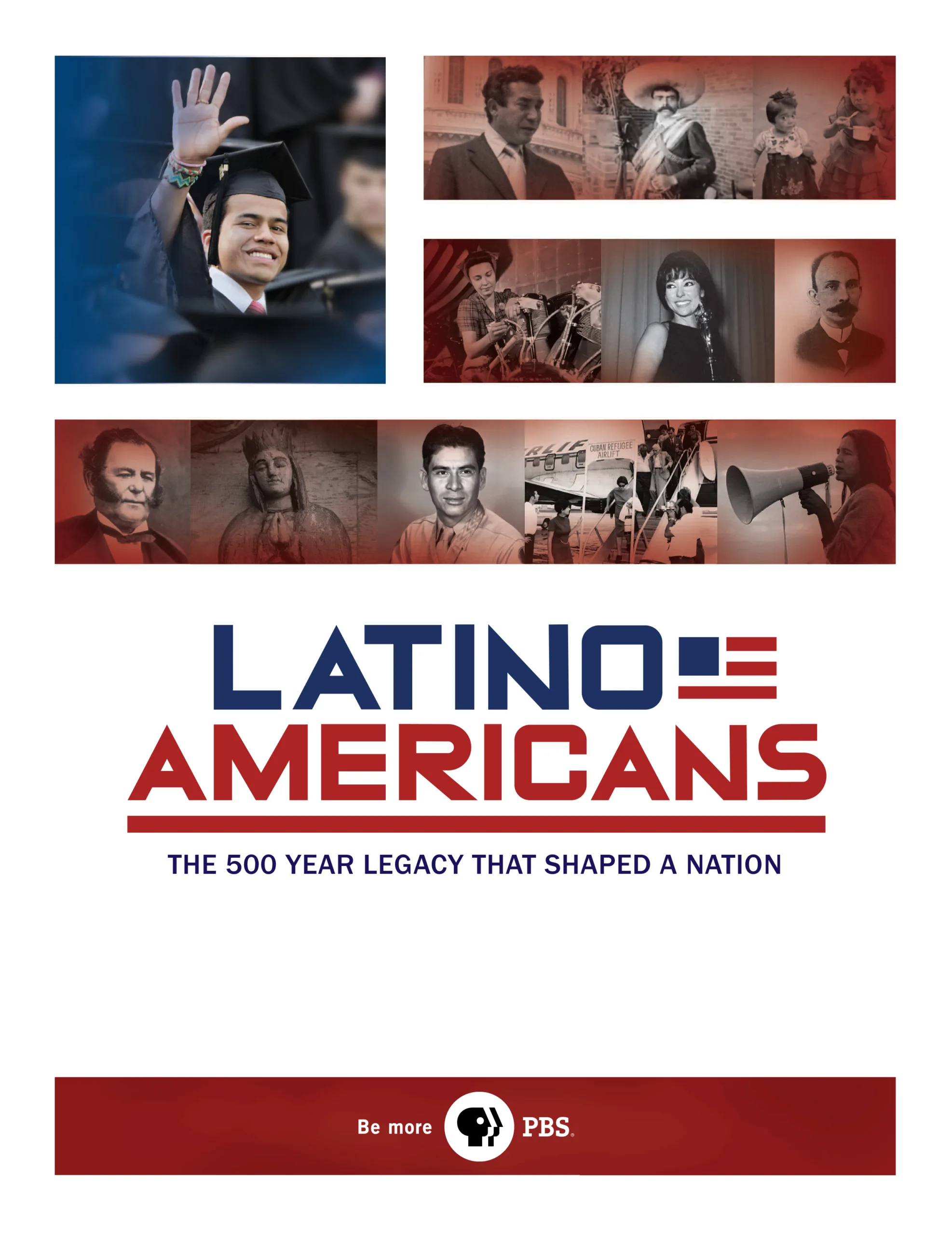
Latino Americans
A major milestone came in 2013 with the PBS premiere of Latino Americans, a landmark six-hour documentary series produced by WETA Washington, D.C., Bosch and Company and Latino Public Broadcasting, in association with ITVS. Tracing more than 500 years of history, the series chronicled the experiences and contributions of Latinos in shaping the United States. Its national broadcast and educational and community engagement initiatives brought this history to audiences, classrooms and communities nationwide.
Education has always been an important part of LPM’s work. Through digital learning resources distributed by PBS LearningMedia, the organization integrates short segments of its films with instructional resources, helping teachers and students explore Latino history, arts, culture in the classroom.
2019
A Stronger Coalition
In 2019, the NMC became the National Multicultural Alliance (NMCA). With the Center for Asian American Media, Black Public Media, Vision Maker Media and Pacific Islanders in Communications, LPM contributed to joint projects exploring America’s interconnected histories and cultures. Collaborations under the NMC and NMCA banners included Matters of Race, examining race and identity; Colorvision, showcasing short films by a multicultural group of independent filmmakers; Unnatural Causes: Is Inequality Making Us Sick?, about health disparities in America; America by the Numbers with Maria Hinojosa, exploring the country’s changing demographics; and most recently Roots of Comedy with Jesus Trejo, revealing the connections between comedy, identity and community.
Throughout its history, LPM has helped independent filmmakers bring projects from early development to national broadcast through production funding, professional development, mentorships and distribution partnerships. Working with PBS, local public television stations and series including American Masters, POV, Independent Lens, Frontline and Great Performances, LPM has established a national home for stories reflecting the breadth of Latino life. Community screenings, station partnerships and public conversations extend the reach of these films beyond broadcast.
2020
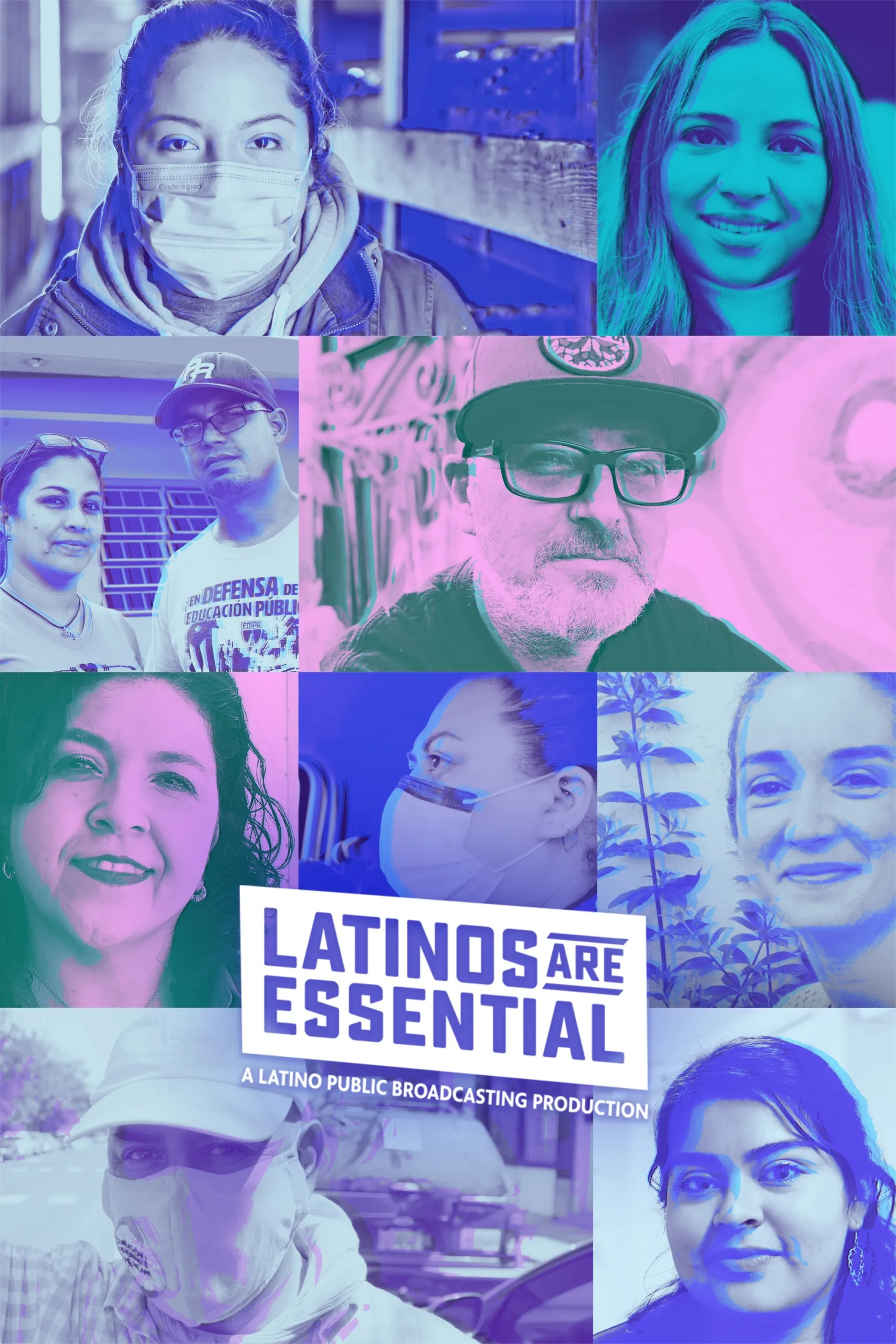
Latinos Are Essential
As viewing habits evolved, LPB expanded its digital storytelling. In 2020, it launched Latinos Are Essential, a collection of documentary shorts about Latino essential workers during the COVID-19 pandemic. The online series, which provided a creative outlet for filmmakers during the pandemic, captured personal stories from across the country, illuminating the workers’ contributions and the challenges facing their communities.
2022
Mentoring New Voices
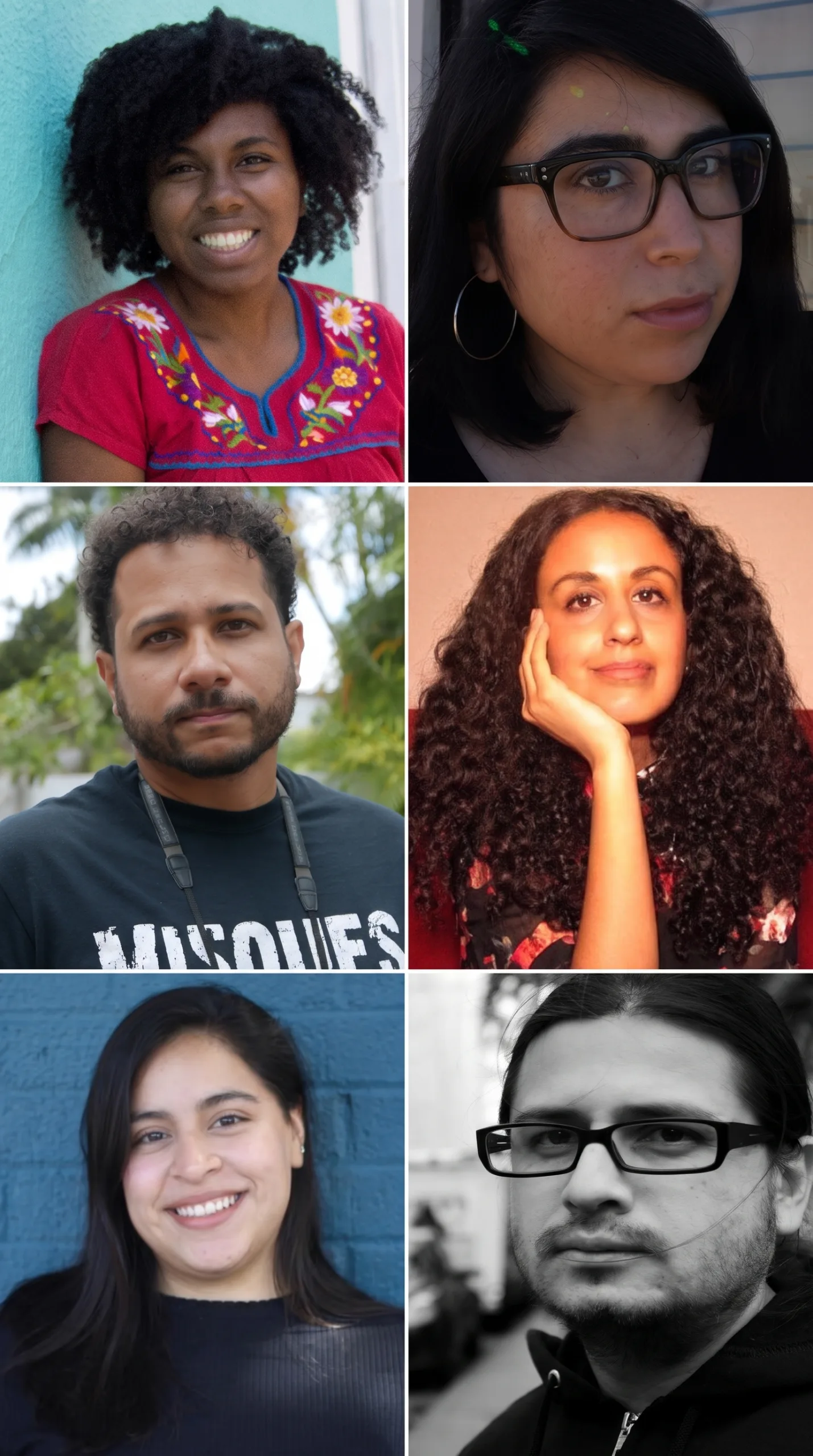
In 2022, LPB launched the Latino Emerging Filmmakers Fellowship (LEFF) with support from the MacArthur Foundation. Combining production funding, one-on-one mentorship and training, the fellowship helped emerging filmmakers create short documentaries exploring civic and social justice issues from Latino perspectives.
2024
Expanding Reach & Awards
In 2024, LPB launched the ongoing online series VOCES SHORTS, featuring a variety of short films, many by first-time filmmakers, aimed at reaching a younger audience on PBS.org, the PBS App and PBS YouTube.
More recent programming milestones include John Leguizamo’s American Historia: The Untold History of Latinos and the American Masters co-presentations Julia Alvarez: A Life Reimagined and American Pachuco: The Legend of Luis Valdez. These productions underscore LPB’s commitment to exploring overlooked histories and celebrating the artists and storytellers who have shaped American culture.
LPM’s programs have earned more than 135 awards, including three George Foster Peabody Awards, Emmys, Imagen Awards and honors at the Sundance Film Festival. LPB has also received the Norman Lear Legacy Award and the NCLR ALMA Award for Special Achievement: Year in Documentaries.

2025
Closing a Historic Chapter
In July 2025, Congress voted to approve H.R.4, the Recissions Act of 2025 which ended all federal funding for public media. The Corporation for Public Broadcasting closed its doors in January 2026, essentially ending nearly sixty years of leadership and stewardship of federal funds to public radio and television stations, LPM and the other members of the National Multicultural Alliance.

2026
A New Name
In November 2026, Latino Public Broadcasting changed its name to Latino Public Media (LPM), adopting a name that reflects the range of platforms where audiences discover and engage with its work. This new identity recognizes the organization’s evolution across television, streaming and digital media, along with its commitment to connecting with younger and more diverse audiences. As viewing habits have evolved, LPM has continued to innovate by supporting more short documentaries, exploring new formats like drama and comedy, and partnering with PBS to bring our stories to audiences on YouTube, PBS’s Prime Video channels, and across social media.
Although federal support has ended, LPM’s commitment to its work is undeterred. Its mission – to create content that explores the history and culture of Latino Americans and bring these powerful and illuminating stories to a national audience on PBS and beyond – is more important than ever.